

Camper and caravan guide
Everything you need to know for your camping adventure
Camping with a motorhome or caravan represents freedom, experiencing nature, and flexibility. But to enjoy the adventure without any unpleasant surprises, proper preparation is crucial. In this guide, you'll learn what equipment you need , how to optimally prepare your vehicle, which legal requirements you should observe, and how to prepare your motorhome or caravan for winter .
Checklist for the start of the season: How to start the camping year well prepared
Before you set off, you should check your vehicle thoroughly.
Vehicle technology & safety
☐ Check battery and charge if necessary
☐ Check tire tread and tire pressure (including the spare tire!)
☐ Test brakes and lights
☐ Check oil level, coolant and windshield washer fluid
Water system & sanitation
☐ Clean the fresh water tank and fill it with fresh water
☐ Empty wastewater and sewage tanks and, if necessary, treat with suitable agents
☐ Check all lines for leaks
Interior & Equipment
☐ Check gas cylinders and refill if necessary
☐ Check fire extinguishers for functionality
☐ Check all windows, doors and roof hatches for leaks
☐ Check food supplies and dishes for completeness
Kitchen & camping equipment
☐ Check gas cooker and cartridges
☐ Prepare dishes, cutlery and cooking utensils
☐ Pack folding chairs, a table and sunshade
☐ Check grill and accessories
☐ Refill the fridge & supplies
Documents & Insurance
☐ Is the TÜV sticker still valid?
☐ Take your Green Insurance Card with you when traveling abroad
☐ Save emergency numbers for breakdown assistance
Electronics & Power Supplies
☐ Check power bank or solar panel for self-sufficient power supply
☐ Bring a 230V power cable and adapter
☐ Check lighting & flashlights
☐ Update your navigation device or map app
☐ Store your laptop, camera or drone with accessories

Motorhome weight: How do you avoid overloading?
Overloading is not only dangerous but can also result in hefty fines. Most motorhomes have a maximum permissible weight of 3.5 tons. But with fully loaded tanks, camping equipment, and personal belongings, you quickly reach the limit.
Important tips for weight optimization:
- Save water: Only partially fill the fresh water tank and refill at your destination
- Use lightweight materials: Instead of glass and porcelain, choose plastic or stainless steel
- Distribute luggage sensibly: Store heavy items at the bottom and in the middle of the vehicle
- Check alternatives: Use lightweight aluminum gas cylinders instead of gas cylinders
Tip: Before you leave, go to a public scale and check the total weight!

Awnings for caravans & campers – protection from sun & rain
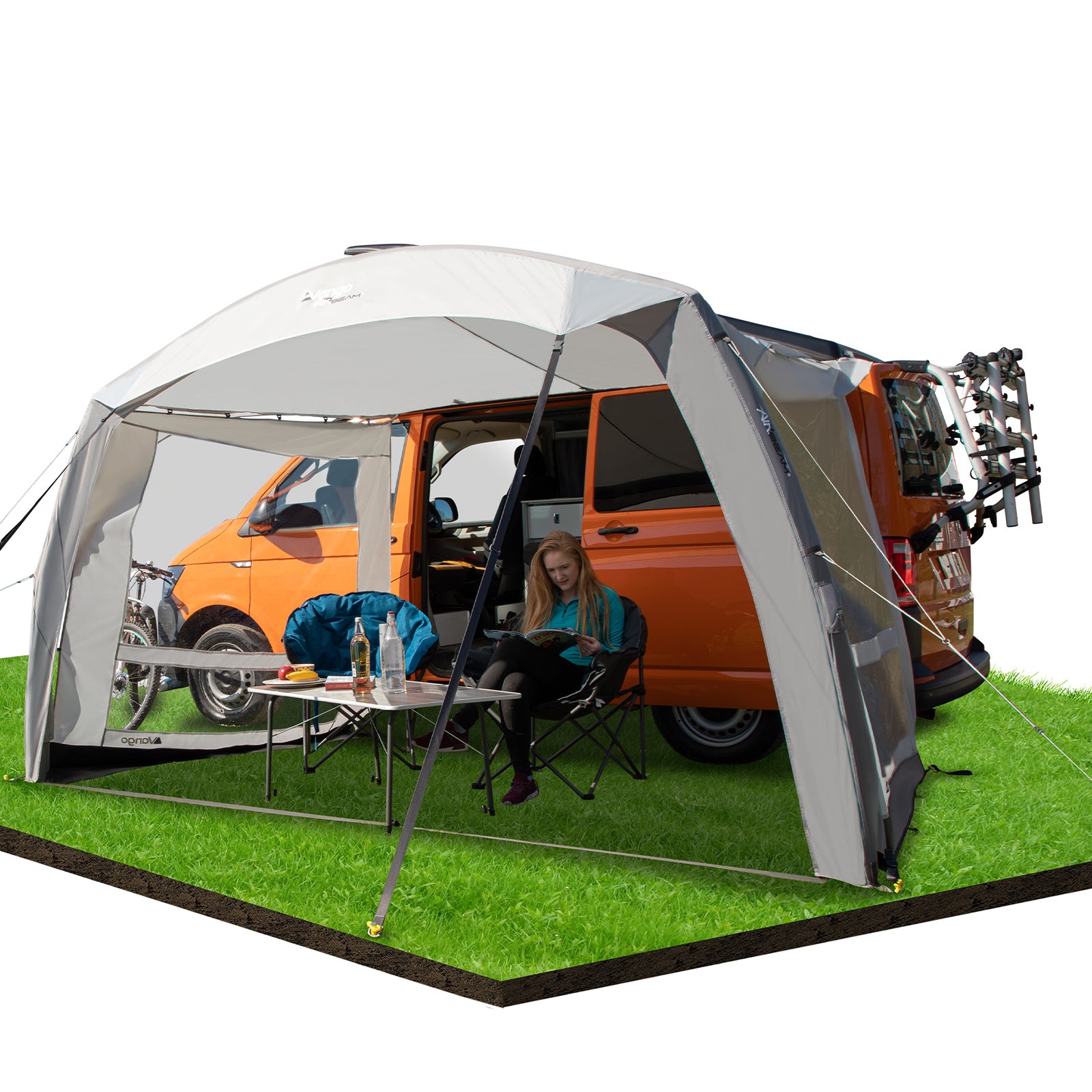
An awning extends the living space and provides shade and protection from rain.
Which awning is the right one?
- Cassette awnings: permanently mounted, easy to extend, ideal for permanent campers
- Sack awnings: Particularly light, perfect for travel campers
- Freestanding awnings: Flexible solution, also for the beach or the park
Important purchase criteria:
- Size: Should fit the vehicle length
- Operation: Manual or electric?
- Additional features: LED lighting or side panels for additional protection
Tip: If you want more protection, you can add an awning side wall or an awning awning.

Awnings : More space and comfort when camping
An awning creates additional space for eating, cooking, or relaxing. They are available in different versions:
- Travel awnings: Easy and quick to set up, ideal for short stays
- Permanent awnings: Robust, weatherproof solution for longer periods
- Air awnings: Easy assembly thanks to inflatable poles
Here’s what you should pay attention to:
- Compatibility with your caravan or motorhome
- Material quality (waterproof, UV-resistant, breathable)
- Size and weight for easy storage and transport
Winterizing: How to protect your motorhome or caravan
If you are not camping in the winter, you should winterize your vehicle to avoid damage from frost or moisture.
Tip: If you use your motorhome or caravan in winter, you should ensure that it is well insulated and has a suitable heating system.
Drain the water system:
Empty the fresh water tank and boiler completely
Blow through pipes and taps to prevent residual moisture from freezing
Thoroughly clean the wastewater tank and greywater tank
Prepare the interior:
Raise or remove all cushions
Open cabinets to prevent moisture build-up
Set up a dehumidifier to prevent mold growth
Protect the vehicle from the outside:
Thoroughly clean and seal the roof and body
Treat seals on windows and doors with rubber care products
Adjust tires to the correct air pressure and place them on chocks if necessary to avoid flat spots
Batteries & Electronics:
Charge the on-board battery and remove it if necessary
Turn off gas bottles and remove them from the vehicle
How to stay independent on the road
Power supply & energy self-sufficiency
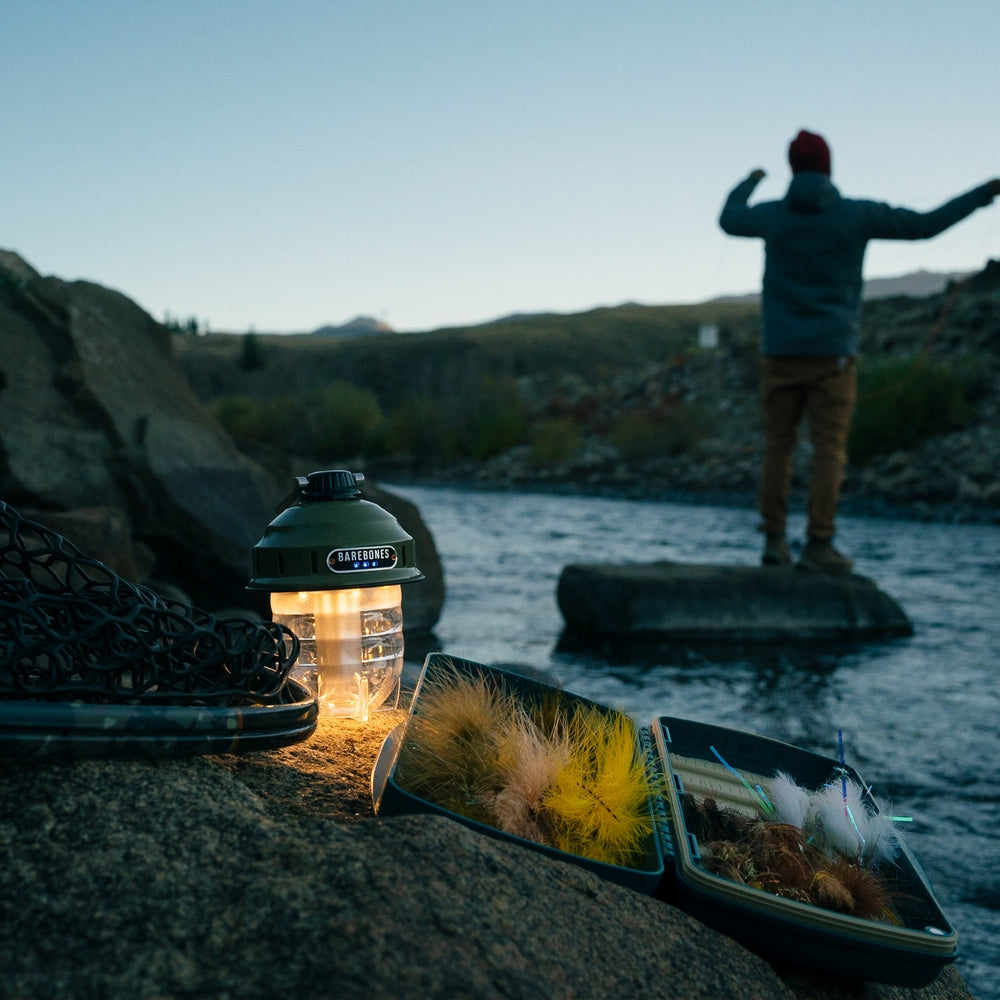
Camping without electricity? Hard to imagine! But there aren't power poles everywhere, so a self-sufficient energy supply is especially important.
What power sources are available for campers?
- On-board battery – standard in motorhomes, sufficient for short downtimes
- Solar system – perfect for self-sufficient camping
- Generator – alternative for longer stays without shore power
- Charge controller & inverter – To convert 12V to 230V
Practical energy-saving tips for campers:
- Use LED lights instead of halogen
- Solar shower instead of electric water heating
- Use a power bank or foldable solar panel for small devices
Tip: If you want to be self-sufficient for a longer period of time, you should consider a lithium battery and solar modules!
Many campers dream of wild camping, but in many countries it's not allowed. Here are the differences and rules:
Campsites or wild camping? What's allowed?
Differences & Rules
Campsites provide infrastructure such as electricity, water, and sanitary facilities. Wild camping is prohibited or only permitted to a limited extent in many countries. In Germany, official campsites offer an alternative.
How do I find good parking spaces?
Apps like Park4Night or Campercontact display legal campsites with reviews. Farms and wineries often offer private pitches. In Scandinavia, the right of public access permits wild camping under certain conditions.
Tip: Prepare for self-sufficient camping
Those planning to camp for an extended period should bring sufficient water, electricity, and food. A dry-separating toilet provides an environmentally friendly wastewater solution. Garbage should always be taken with you to protect the environment.

Camping kitchen & outdoor cooking – clever & space-saving enjoyment
Cooking in your camper or outside at the campsite can be easy & delicious !
Equipment for the perfect camping kitchen
✔ Compact gas stove or camping grill
✔ Space-saving cookware (foldable bowls, stackable pots)
✔ Cool box or 12V refrigerator
Cooking tips for camping
- Meal Prep: Chop and freeze ingredients at home
- Simple dishes: wraps, one-pot dishes, grilled dishes
- No waste: Reduce waste & use reusable tableware
👉 Tip: If you don't have a gas grill, you can use a fire bowl and Dutch oven for a rustic cooking experience!
Camping safety – valuables & theft protection
Unfortunately, motorhomes and caravans are often targeted by thieves . Here's how you can protect yourself:
Safety measures for campers
A steering wheel lock or gearshift lock protects against vehicle theft. Windows and doors should always be properly secured. A small safe for valuables offers additional protection.
Tips against burglary & theft
Well-lit parking spaces reduce the risk of burglaries. A camera or motion detector can act as a deterrent. Additional door and window security makes access more difficult for unauthorized persons.
Tip: GPS tracker for more security
With a hidden GPS tracker, your motorhome or caravan can be quickly located in the event of theft. Some insurance companies offer discounts for vehicles with security systems.

Sleeping comfort in caravans and campers – travel well rested
Restful sleep is crucial when camping. But how do you make it truly comfortable?
Tips for better sleep in a camper
- Use a comfortable mattress or topper
- Insert thermal mats against cold & heat
- Blackout or thermal curtains for quiet nights
- Earplugs & sleep mask for noise-sensitive people
Alternative sleeping options for more space
- Roof tent for extra sleeping space
- Hammock or air mattress for flexible overnight stays
👉 Tip: If you are sensitive to light or noise, you should invest in blackout curtains and a good pillow!
Sustainable camping – environmentally friendly on the move
From plastic-free camping equipment to energy-efficient solutions and waste prevention , there are many simple measures to protect the environment
How can camping be made more sustainable?
Camping offers the opportunity to experience nature up close—making it all the more important to protect it. Through conscious consumption and sustainable products, every camper can contribute to minimizing environmental impact. Simple measures such as avoiding waste, conserving water, and avoiding chemical cleaning products already make a difference.
Sustainable camping equipment
Many manufacturers now offer environmentally friendly camping accessories. Solar lights and foldable solar panels provide electricity without fossil fuels. Reusable water bottles, bamboo tableware, and biodegradable cleaning products reduce plastic waste. A dry composting toilet is a sustainable alternative to chemical camping toilets.
Tip: Leave no trash – Leave No Trace principle
The Leave No Trace principle helps preserve nature in its pristine state. This includes leaving no trash behind, using fire pits responsibly, and being considerate of animals and plants. Sustainable camping ensures that future generations can also enjoy the beauty of nature.